
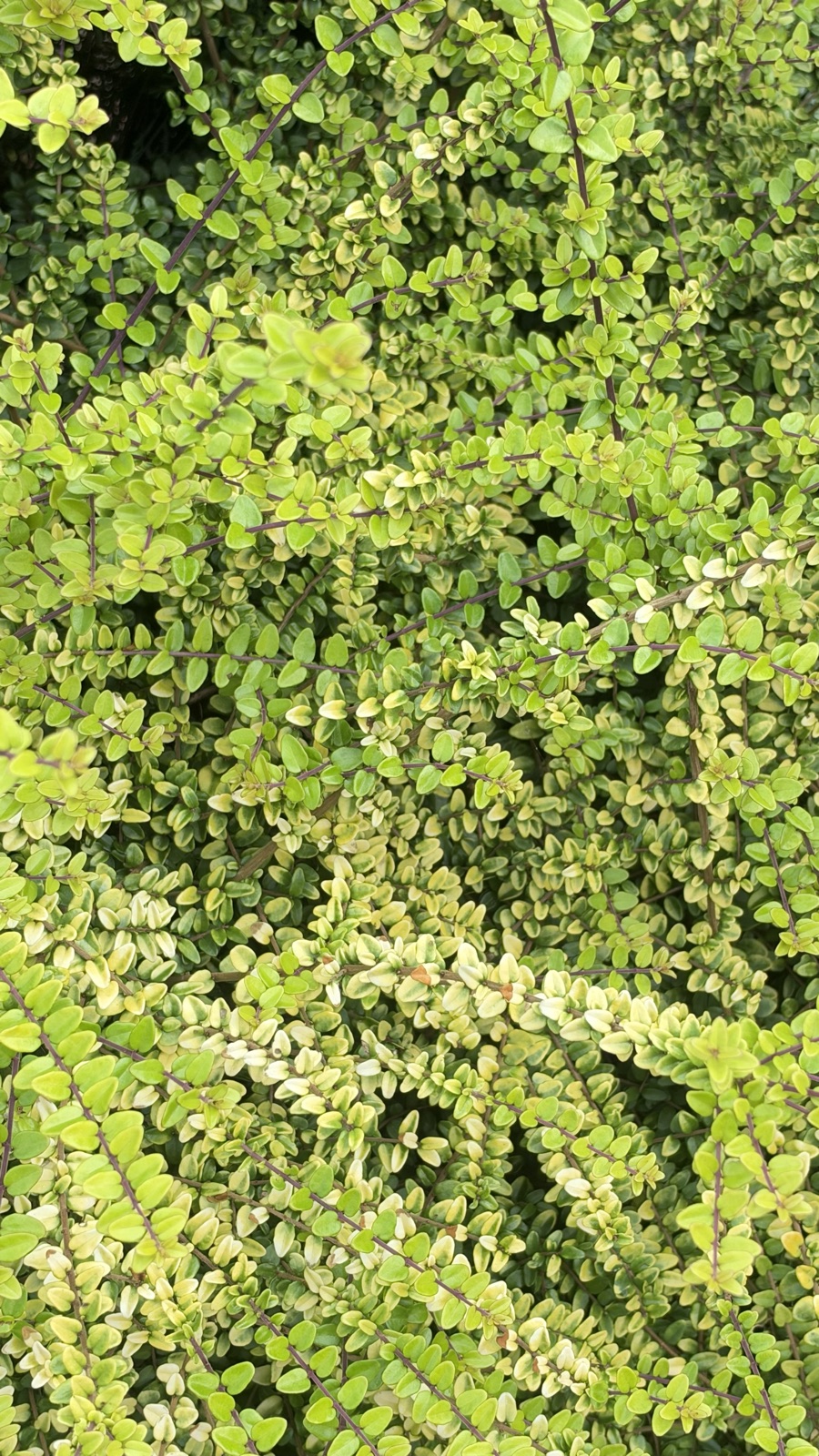
'Baggesen's Gold' is a fast, forgiving shrub with tiny golden leaves packed along arching stems. Clip it and it turns into a dense, bright hedge or a crisp topiary ball in a fraction of the time box or yew would take. Leave it alone and it forms a loose, glowing mound.
This guide focuses on using it as a hedge and for shaping. It covers planting distances, how often to trim, how to keep the colour bright and how to rescue a hedge that has grown out of hand, along with its few weak points.
Lonicera nitida 'Baggesen's Gold' at a glance
- Botanical name Lonicera ligustrina var. yunnanensis 'Baggesen's Gold', usually sold as Lonicera nitida 'Baggesen's Gold'
- Common name Box-leaved honeysuckle, golden shrubby honeysuckle
- Plant type Evergreen shrub for hedging and topiary, RHS Award of Garden Merit
- Hardiness RHS H5 (down to about -15°C)
- Height and spread 1.5 to 2.5m tall and wide if left unclipped, easily kept at 30cm to 1.5m as a hedge
- Flowering Tiny creamy flowers in spring, sometimes followed by small purple berries
- Foliage Small oval leaves, golden yellow in spring and summer, turning yellow-green in autumn and winter
- Position Full sun for the brightest gold, tolerates partial shade, exposed or sheltered sites
- Soil Any reasonably drained soil, including chalk, clay, loam and sand
- Good for Low and medium hedges, topiary, edging, lighting up dull corners
A quick-growing alternative to box
With box blight and box tree caterpillar spoiling so many hedges, this little honeysuckle has become a popular stand-in. Its leaves are under 1cm long, so it clips to a fine, even surface, and it puts on 30cm or more of growth a year.
It is not identical to box. It grows faster, so it needs cutting more often, and it is slightly looser in texture. In return you get a golden glow all year and a plant that recovers from almost any mistake with the shears.
Planting a golden hedge
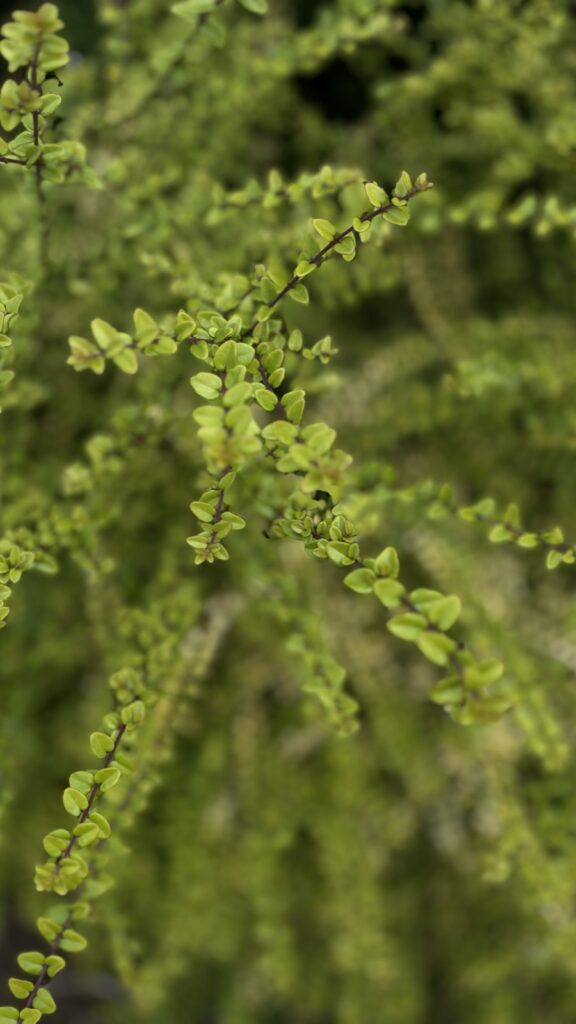
Plant between autumn and spring while the soil is workable, avoiding frozen or waterlogged ground. Dig a trench along the line of the hedge, fork in some compost and plant at the same depth the shrubs grew in their pots.
- For a low edging hedge of 30 to 60cm, set plants about 25 to 30cm apart.
- For a medium hedge up to 1.2m, space them around 30 to 40cm apart in a single row.
- For a thicker, fuller hedge, plant a staggered double row with 45cm between plants.
- Water thoroughly after planting and mulch to hold in moisture.
The first year after planting
Young hedges need regular watering through their first spring and summer, particularly in the dry east of England where rain can be scarce for weeks. A long soak once a week is better than a daily sprinkle.
Straight after planting, trim the shoots back by about a third. It feels drastic, but it makes each plant branch low down, which is the secret to a hedge that is thick right to the ground rather than bare at the base.
Sun brings out the gold
The brightest colour comes in full sun, where new growth is a clear butter yellow. In shade the foliage turns lime green, still attractive but much less golden, so it is a useful way to brighten a partly shaded corner without expecting full colour.
In very hot, dry spells young leaves can occasionally scorch on a south-facing site in thin soil. Watering in drought and a spring mulch help prevent this, and the plant soon covers any damage with fresh shoots.
How and when to clip
Formal hedges look sharpest with two or three trims between May and early September. Use shears or a hedge trimmer, and cut the sides with a slight inward slope so the base stays wider than the top and keeps its leaves.
Avoid cutting late in autumn, as soft regrowth may be caught by frost. Always check for nesting birds before trimming in spring and summer, and wait if you find an active nest.
Shaping balls, domes and cones
Its speed makes it ideal for beginner topiary. Start with a bushy young plant, pinch out tips to encourage branching and clip roughly into shape in the first year, refining the outline as the plant thickens.
Simple shapes such as balls and low domes work best, as the stems are too flexible for tall, narrow spires without support. Use a wire frame or cane guide for cones, and trim every four to six weeks in summer to keep the edges crisp.
Renovating an overgrown hedge
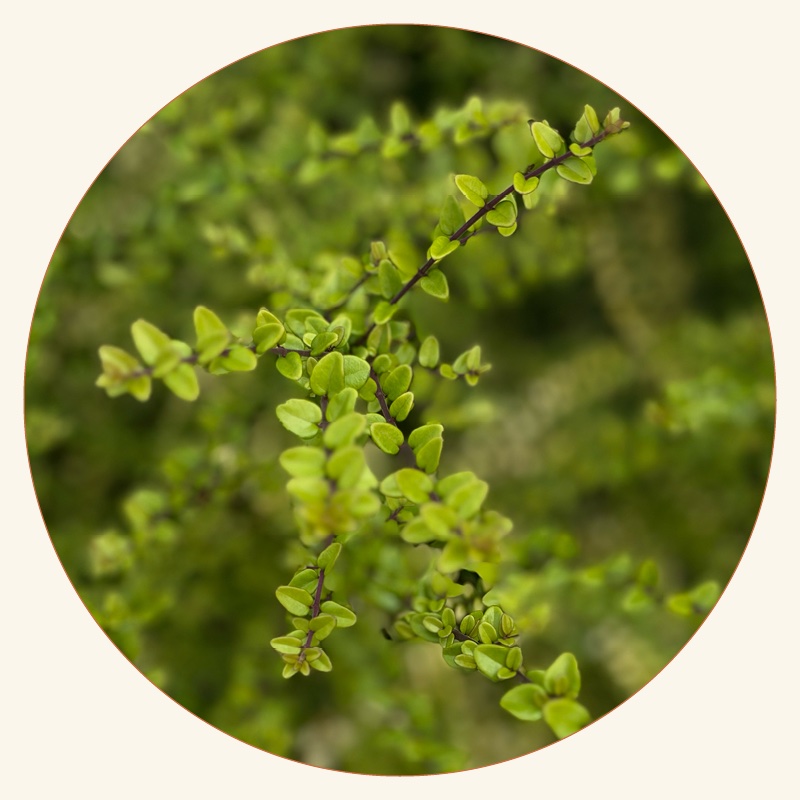
Unlike many evergreens, this honeysuckle regrows readily after hard pruning. In late spring you can cut an old, floppy or bare-based hedge back by up to half, or even down to 30cm from the ground, and it will usually reshoot within weeks.
Feed and water well after a hard cut to support the new growth. Tall, unclipped hedges can splay open under heavy snow or wind, so regular trimming that keeps the hedge compact is the best prevention.
Easy cuttings and possible problems
Extending a hedge costs nothing, as hardwood cuttings 15 to 20cm long, pushed into the ground in autumn, root very easily. Semi-ripe cuttings in summer work just as well in pots.
Problems are few. Aphids sometimes gather on soft tips, and very wet soil can cause root trouble. The purple berries of honeysuckles can upset stomachs if eaten, so trim off any that form if small children or pets share the garden. For other tough hedging plants, see our shrubs collection.
Questions about Lonicera nitida 'Baggesen's Gold'
How fast does Lonicera Baggesen's Gold grow?
It typically grows 30 to 50cm a year once established, which is much faster than box. A newly planted hedge can reach a dense 1m within three to four years with regular trimming.
Does Lonicera Baggesen's Gold stay gold in winter?
It keeps its leaves, but the colour softens to yellow-green through autumn and winter. The bright gold returns with the new growth in spring, especially in full sun.
Can you grow Lonicera nitida Baggesen's Gold in a pot?
Yes, it makes good container topiary. Use a large pot of loam-based compost, water often in summer and feed in spring, as potted plants dry out and run short of nutrients faster than those in the ground.
How tall can a Baggesen's Gold hedge be?
It works best as a hedge between 30cm and about 1.5m. Unclipped plants reach up to 2.5m, but taller hedges tend to become loose and splay under snow, so a lower, compact hedge is easier to keep tidy.
For quick golden structure, a cheerful low hedge or your first piece of topiary, 'Baggesen's Gold' is a generous and forgiving choice. Pair it with sun-lovers from our drought-tolerant plants range for a bright, low-maintenance garden.