
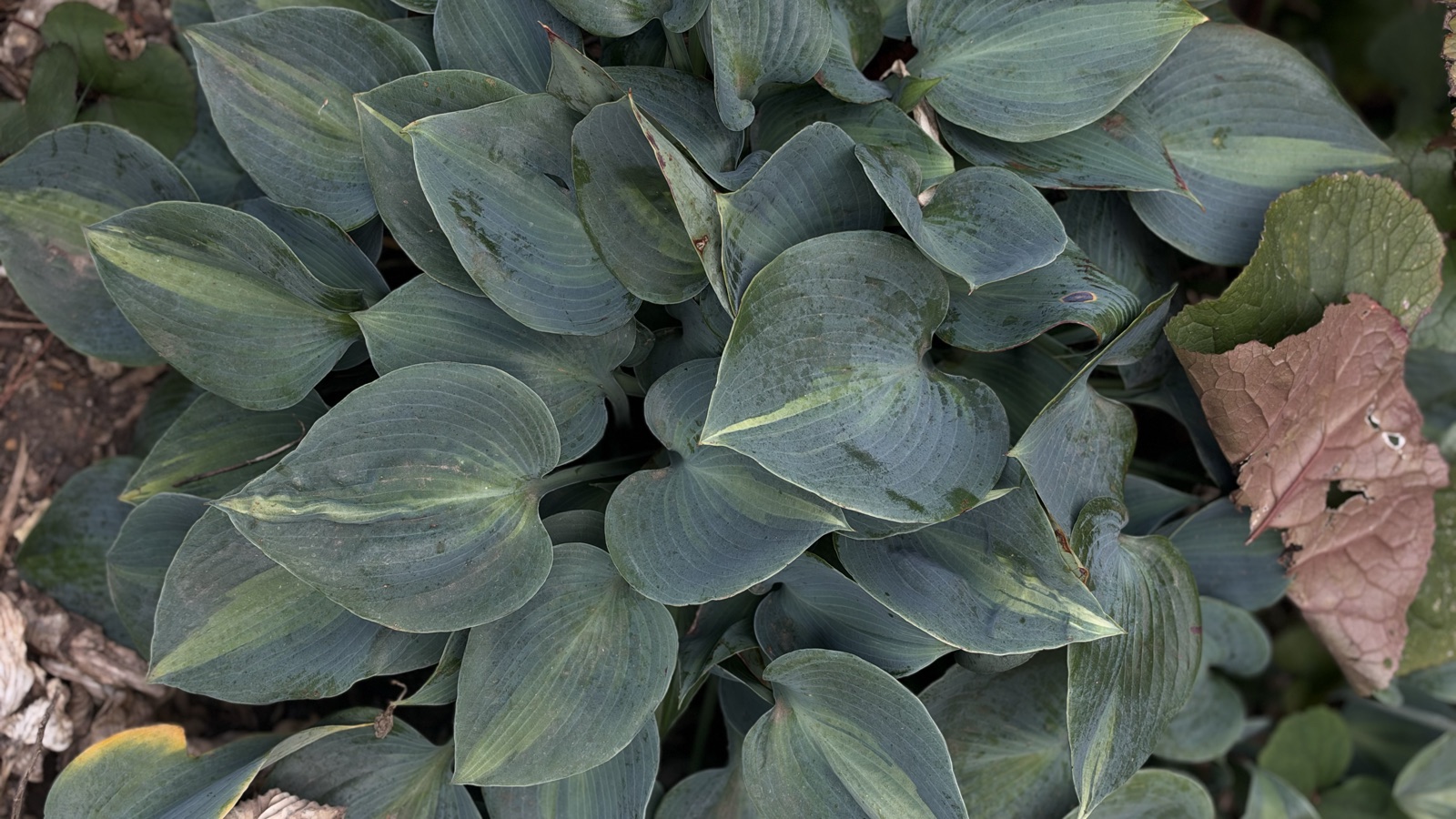
Few plants light up a shady corner like a well-grown hosta. Broad, ribbed leaves in blue, lime, cream-edged and deep green fill the gaps where sun-lovers sulk, and tall spires of lilac flowers arrive in high summer as a bonus.
This guide explains where hostas grow best, how to keep them moist in a dry eastern summer, the most reliable ways to protect them from slugs, and when to split a tired clump. We also cover what to know if you have dogs or cats.
Hosta at a glance
- Botanical name Hosta, a genus of many species and thousands of cultivars
- Common name Hosta, plantain lily
- Plant type Clump-forming herbaceous perennial
- Hardiness RHS H7 (fully hardy, below -20°C)
- Height and spread Varies hugely by cultivar, from miniatures around 15cm tall to giants over 75cm tall and 1.5m across
- Flowering Lilac, lavender or white trumpet flowers on upright stems, July to August
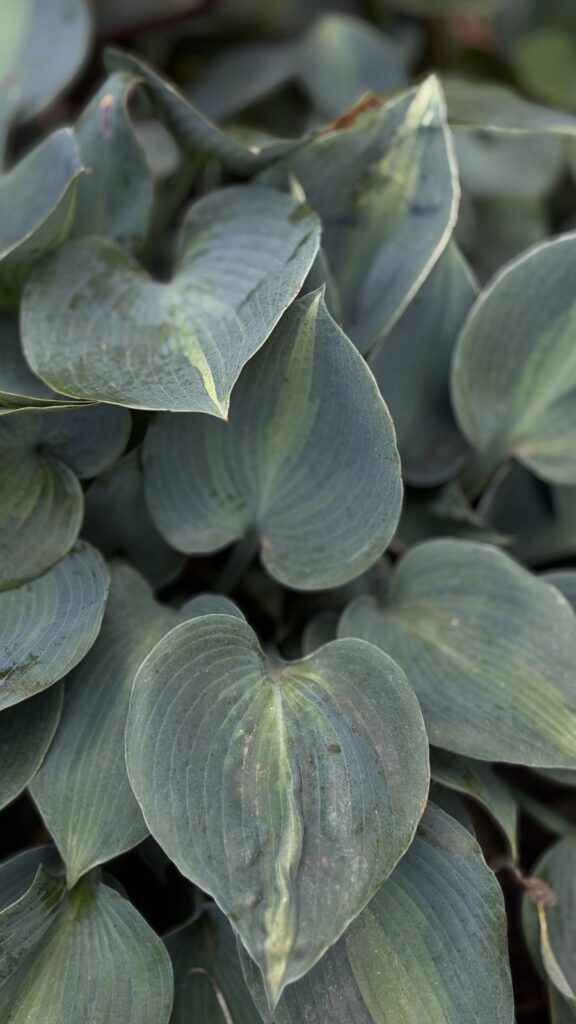
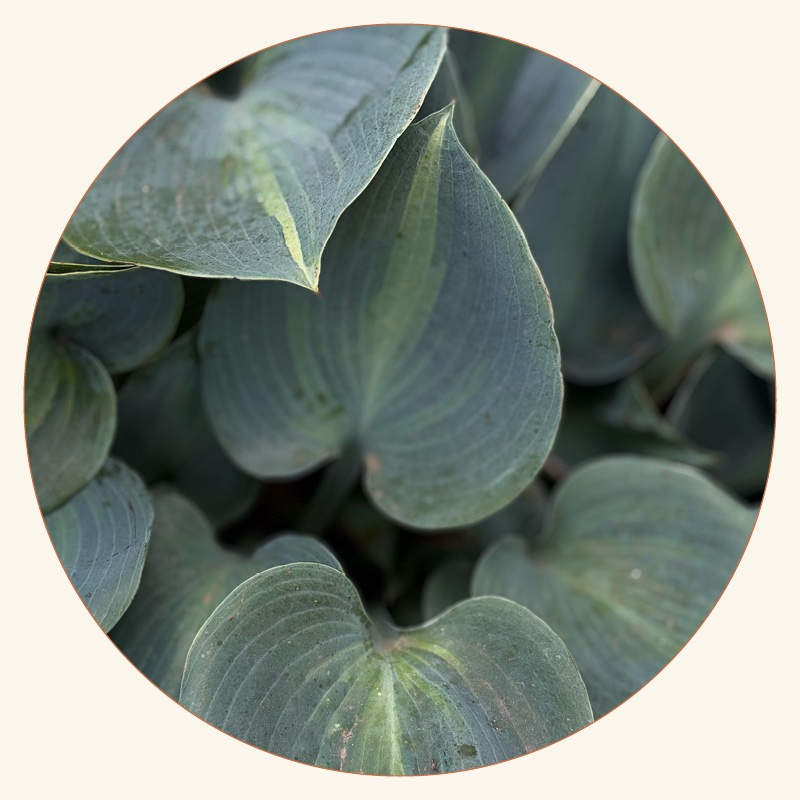
- Foliage Green, blue-grey, gold or variegated leaves from spring to autumn, turning yellow before dying back for winter
- Position Partial to full shade, gold-leaved types cope with more sun than blue-leaved ones
- Soil Moist, fertile, humus-rich soil that does not dry out in summer
- Good for Shady borders, woodland planting, pots on a shaded patio, ground cover under trees
Finding the right patch of shade
Hostas prefer dappled light or the bright shade cast by a wall or fence. Morning sun is usually fine, but hot afternoon sun scorches the leaf edges and bleaches the colour, especially on blue varieties whose waxy coating melts away in strong light.
Gold and yellow cultivars such as 'Sum and Substance' tolerate more sun and often colour up better with a few hours of it. Deep shade under dense evergreens is less ideal, as the soil there tends to be dry and full of roots.
Soil, planting and hostas in containers
Plant in spring or early autumn into soil enriched with well-rotted garden compost or leaf mould. Set the crown level with the surface and firm gently, leaving room for the clump to widen over the years.
Pots suit hostas very well and make slug control easier. Use a peat-free, loam-based compost such as John Innes No. 3, choose a container with drainage holes and stand it in shade so the compost stays cool.
- Give miniature hostas a pot around 20cm wide and large cultivars at least 40cm.
- Mix in some extra organic matter if your garden soil is light or sandy.
- Repot or divide container plants every three to four years when roots fill the pot.
Keeping hostas moist in a dry summer
Hostas are thirsty plants, so they need more attention than most of the drought-tolerant perennials we grow. On free-draining soils and in the low rainfall of eastern counties like Lincolnshire, water deeply once or twice a week during dry spells rather than giving a daily sprinkle.
A 5cm mulch of bark or compost laid over moist soil in spring holds water in the root zone. Water at the base, early in the morning, so leaves stay dry and slugs have less damp cover overnight.
Protecting leaves from slugs and snails
Ragged holes in the leaves are the classic hosta problem. Damage starts as soon as the shoots unfurl in April, so act early, before the first leaves open.
Thicker-leaved, blue and corrugated cultivars resist slugs noticeably better than thin, glossy green types, which is worth remembering when you buy.
- Go out with a torch on damp evenings and pick off slugs and snails by hand.
- Apply nematodes in spring once the soil is above 5°C to tackle slugs below ground.
- Run copper tape around pots and raise containers on feet or a table.
- Encourage frogs, toads, hedgehogs and thrushes, which all eat slugs.
Feeding and the yearly tidy-up
A handful of general fertiliser or a layer of compost in early spring is enough for border plants. Container hostas benefit from a balanced liquid feed every two to three weeks from May to July.
Snip off flower stems at the base once the blooms fade. In autumn the leaves turn yellow and collapse after the first frosts, so cut them away and remove the debris, as it gives slugs and snails a sheltered place to overwinter.
Dividing a congested clump
Every four or five years an older clump can become crowded, with smaller leaves or a bare centre. Divide in early spring as the pointed shoots appear, or in late summer after flowering.
Lift the clump and slice it into pieces with a sharp spade or old bread knife, keeping several buds and a good root system on each. Replant at the same depth and water well, and you will have new plants for other shady corners.
Shade-loving partners for hostas
Hostas look best mixed with plants of contrasting leaf shape. Feathery ferns, the fine arching blades of Hakonechloa grass and the airy flowers of astilbe or Japanese anemone all set off their bold foliage.
Plant spring bulbs such as snowdrops and wood anemones between clumps, as they flower before hosta leaves expand and are hidden by them later. Evergreen bergenia and heuchera cover the ground after hostas die back in winter.
Hostas, pets and children
Hostas contain saponins and are listed by the ASPCA as toxic to dogs and cats. Eating the leaves can cause vomiting and diarrhoea, though serious poisoning is uncommon.
If you have a puppy that chews plants, grow hostas in raised pots out of reach. Contact your vet if a pet eats a significant amount, and teach children not to nibble garden plants.
Questions about Hosta
Do hostas come back every year?
Yes. Hostas are fully hardy perennials that die back to the ground each autumn and send up fresh shoots in April. A healthy clump gets larger and more impressive every year.
Can hostas grow in full sun?
Most prefer shade, and full sun tends to scorch leaves and fade colours. Gold-leaved cultivars cope with a few hours of morning sun if the soil stays moist. Blue varieties should always be kept in shade.
What can I put around hostas to stop slugs?
Copper tape on pots, a gritty surface layer and nightly hand-picking all help. Biological control with nematodes in spring reduces slug numbers in the soil. Growing hostas in raised containers is one of the most reliable options.
Why are my hosta leaves turning brown at the edges?
Brown, crispy edges usually mean too much sun or dry soil. Water deeply during dry spells, mulch in spring and consider moving the plant to a shadier spot in autumn or early spring.
Hostas reward a little care with years of lush foliage in places other plants struggle. If you are planning a shady border, take a look at our perennials collection for partners that suit cool, moist corners.