
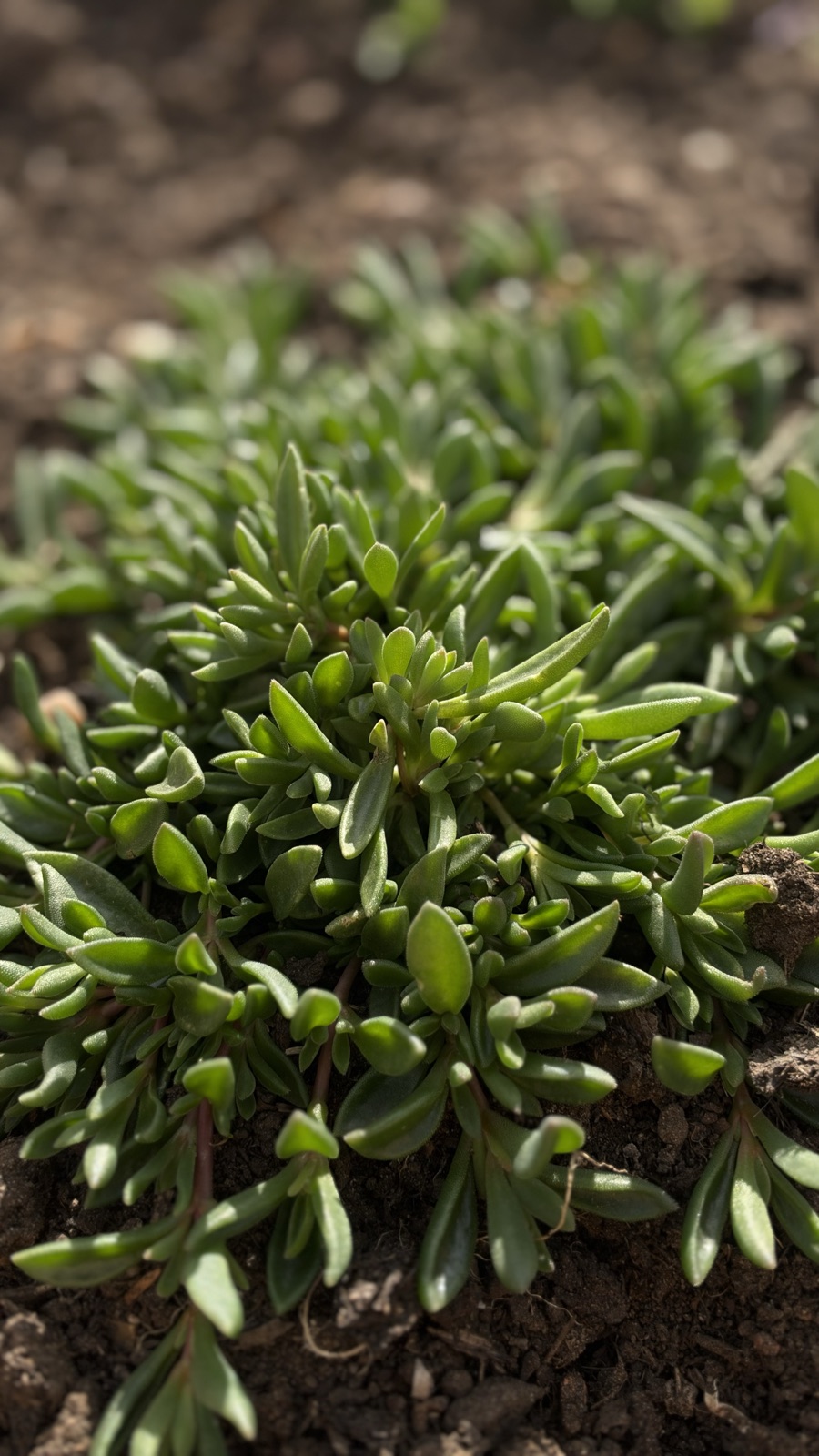
Few low plants put on a show like Delosperma 'Red Mountain'. From early summer into autumn its flat mat of fleshy green leaves vanishes beneath glossy daisy flowers in a deep, burnished red, each with a pale cream eye that glows in the sunshine.
Hardy ice plants come from the high grasslands of South Africa, and this selection was introduced in the USA for its reliability in cold winters. In Britain the challenge is not frost but rain, so this guide focuses on drainage, then covers watering, winter care, propagation, safety around pets and planting ideas.
Delosperma 'Red Mountain' at a glance
- Botanical name Delosperma dyeri 'Red Mountain' (also sold as 'Psdold')
- Common name Hardy ice plant, red ice plant
- Plant type Evergreen, mat-forming succulent perennial
- Hardiness Around RHS H4 (about -10C) when the soil is dry in winter
- Height and spread 5 to 10cm tall, spreading 30 to 45cm
- Flowering Burnished red to orange-red daisy flowers with a creamy white centre, June to September
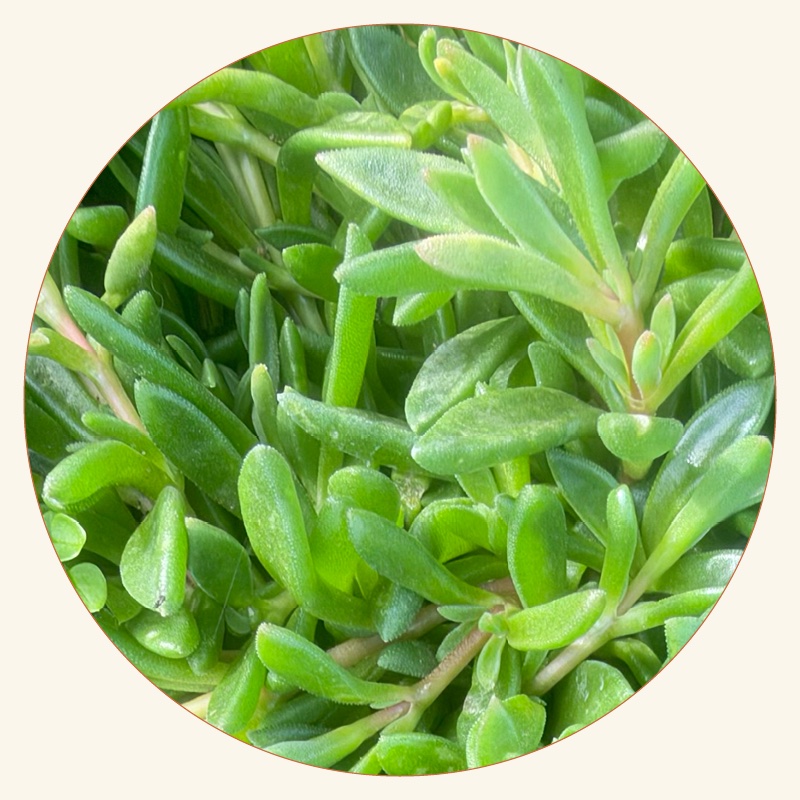
- Foliage Fleshy, cylindrical bright green leaves, sometimes tinged red in winter
- Position Full sun, the hotter the better
- Soil Very free-draining, sandy or gritty, poor to moderate fertility
- Good for Rockeries, gravel gardens, wall tops, pots and dry banks
Sun, heat and shelter
The flowers open only in bright light and close in the evening and on dull days, so the sunniest spot in the garden is the right one. South-facing slopes, the base of a warm wall and gravel beds that soak up heat all suit it.
In shade it produces few flowers and the mat becomes sparse. A dry, exposed spot is far better than a sheltered damp corner.
Paving and walls make good neighbours, because reflected heat from stone keeps the soil around the roots warm and dry. Avoid spots under trees or beside downpipes, where drips and fallen leaves keep the ground damp for days.
Soil that drains in seconds
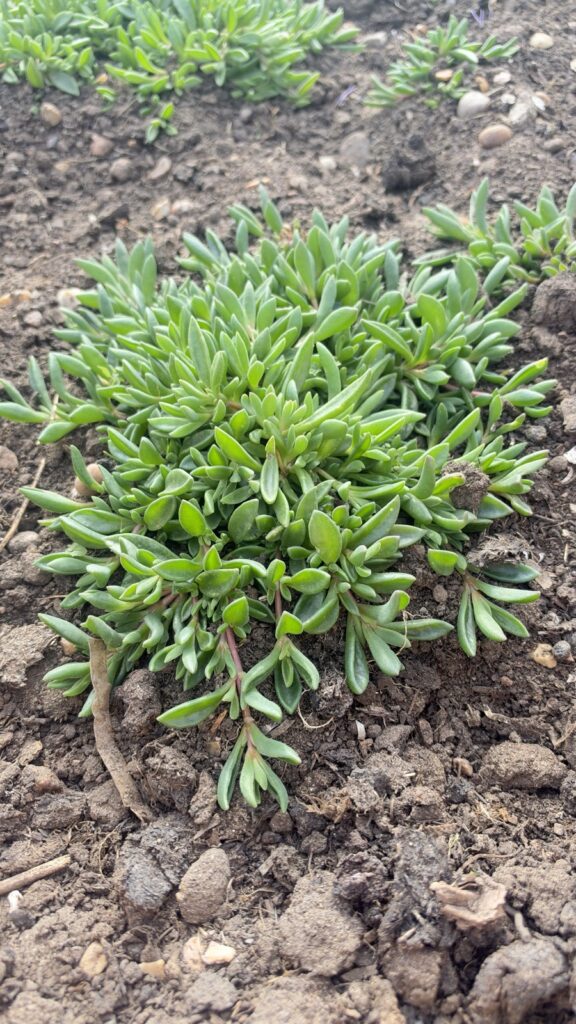
Delosperma roots rot quickly in cold, wet soil, and that is the most common reason plants fail to return in spring. Sandy or stony soil is ideal, and light, free-draining ground on the dry east side of England suits it well.
On clay, build a raised bed or mound with plenty of grit, or grow it in a pot or trough. Plant from April to June so it has the whole summer to root before winter.
- Dig in coarse grit or sharp sand to at least a spade's depth on heavier soils.
- Plant with the crown slightly raised and surround it with gravel.
- In containers, use a mix of half peat-free compost and half grit.
- Avoid bark mulch, which holds moisture against the stems.
How much water and fertiliser
Water new plants regularly for their first month, then sparingly. Established mats cope with long dry spells, and a weekly soak in a very hot summer is enough for plants in the ground.
Pots need more attention, especially when in full flower, but always let the compost dry between waterings. A low-nitrogen feed once in late spring can support flowering in containers. In the ground, skip fertiliser altogether, as rich soil produces leaf at the expense of bloom.
Getting it through a wet winter
Plants on well-drained soil generally survive temperatures down to around -10C. What they do not survive is weeks of sitting in cold, saturated ground, so do everything you can to keep the crown dry from November to March.
Move pots against a house wall or into a cold frame where rain cannot reach them. In the ground, a cloche or sheet of glass propped above the plant works well. Some browning of foliage is normal, and fresh growth returns in spring.
Tidying and renewing the mat
Ice plants need little pruning. In spring, trim away any brown or damaged stems to let new growth through. Shearing lightly after the first flush in July can encourage a second wave of flowers.
After three or four years the centre of the mat may thin out. Take cuttings or replant healthy outer pieces in spring to keep the display lush.
Growing more from cuttings
Stem cuttings root readily from late spring to midsummer. Snip 5 to 8cm pieces, let them dry for a day, then insert them into gritty compost and place in bright light.
Keep cuttings only slightly moist. Roots appear within two to three weeks, and young plants can go out in early summer. Keeping a few rooted cuttings in a cold frame over winter is a useful insurance policy.
Pest watch and pet safety
Aphids and mealybugs occasionally appear on soft growth, and slugs may graze young plants in damp springs. Hose off aphids and use a wildlife-friendly slug control in spring.
Delosperma is generally considered non-toxic to cats, dogs and people. Some ice plants contain oxalates, and eating a large amount could cause mild stomach upset, so it is sensible to discourage pets and small children from chewing the fleshy leaves.
Pairing hardy ice plant with other sun lovers
The red flowers look striking beside silver and blue foliage. Try it with Sedum 'Oracle', Festuca glauca, Euphorbia myrsinites or silvery sempervivums for a hot, dry scheme that needs almost no watering.
It also spills attractively over the edge of raised beds and walls. Our guide to the best drought-tolerant plants for UK gardens suggests more partners for a hot, low-water border.
Questions about Delosperma 'Red Mountain'
Is Delosperma Red Mountain hardy in the UK?
It is hardy to around -10C when the soil is dry. Most winter losses come from wet, poorly drained ground rather than frost. Plant it in gritty soil or a sheltered pot and it should return each spring.
Why are my ice plant flowers closed?
Delosperma flowers open in sunshine and close in the evening and on cloudy days. This is completely normal. If flowers never open, the plant probably needs a sunnier spot.
How long does Delosperma Red Mountain flower?
It usually blooms from June until September, with the heaviest flush in early summer. A light trim after the first flush and dry, sunny conditions encourage further flowers into autumn.
Does Delosperma spread?
Yes, it forms a creeping mat around 30 to 45cm wide. It spreads steadily rather than aggressively and is easy to keep in check by trimming the edges.
Should I cut back Delosperma in autumn?
No, leave the foliage in place over winter, as it shields the crown from cold and helps it recover in spring. Wait until new growth appears in April or May, then trim off anything brown or mushy. Cutting back hard in autumn leaves the plant more open to rot.
Delosperma 'Red Mountain' brings months of bright flowers to the hottest, driest corners of your garden. Pick it up with other sun-loving, low-water plants from our range of drought-tolerant plants.